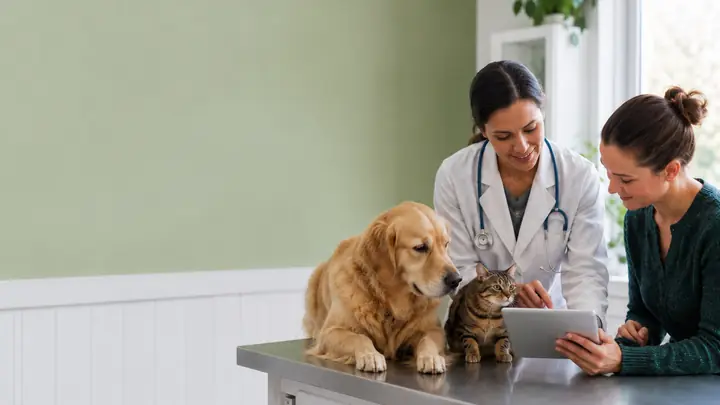
Planning veterinary care in San Antonio, TX
San Antonio covers a broad geographic area, so travel to emergency or referral hospitals may be a practical consideration. Complex cases can require multiple visits beyond the initial procedure.
Ask which services are performed locally and which require referral.
For planned procedures, compare the whole care pathway. A quote that excludes diagnostics, anesthesia, overnight monitoring, rehabilitation or rechecks is not directly comparable with one that includes those services.
For emergencies, hospital capability and travel time usually matter more than finding the lowest initial exam fee. If a pet has trouble breathing, collapses, suffers major trauma, has uncontrolled bleeding, may be poisoned or cannot urinate, prompt veterinary care takes priority.
For advanced diagnostics or surgery, ask whether the same hospital can perform the consultation, testing, procedure and hospitalization. Transfers can add travel, new consultations and sometimes repeated testing.
For treatments with several follow-up visits, estimate the practical burden of returning to the same center. In some cases, part of the follow-up may be coordinated with the regular veterinarian closer to home.
Questions to ask before choosing a provider
- What exactly is included in the estimate?
- Which tests or treatments could be added after the initial exam?
- Is advanced imaging or specialty surgery available on site?
- Who monitors hospitalized pets overnight?
- How many rechecks are normally expected?
- Can existing imaging and laboratory results be transferred?
- Can part of the follow-up return to the regular veterinarian?
Frequently asked questions about veterinary care in San Antonio, TX
How should I compare two veterinary estimates?
Compare the same scope: exam, diagnostics, anesthesia or sedation, treatment, hospitalization, medication and follow-up.
Does the lowest price mean the lowest total cost?
Not always. Transfers, repeat tests, additional visits and excluded services can make the full pathway more expensive.
When does travel time matter most?
Travel time matters most in emergencies and when a treatment requires frequent follow-up or rehabilitation.
Should I ask whether specialty care is on site?
Yes. Knowing whether advanced imaging, surgery or ICU care is available at the same location can prevent surprises.
Can follow-up return to my regular veterinarian?
Often some follow-up can, but confirm this with the treating hospital and your regular veterinarian.
What records should I keep?
Keep digital copies of imaging, laboratory results, discharge notes and current medications.
Do these guides list the cheapest clinic?
No. They explain decision factors and do not invent local prices, rankings or provider claims.
Does pet insurance change which hospital I can use?
Coverage varies by policy. Confirm reimbursement terms, deductibles, exclusions and waiting periods.
What if my pet has an emergency?
Prioritize prompt veterinary evaluation over price comparison when serious symptoms are present.
Why can two hospitals quote different amounts?
They may include different staffing, diagnostics, monitoring, anesthesia, hospitalization or follow-up.
How do I avoid duplicate testing after referral?
Bring records and ask whether prior imaging and laboratory results can be accepted by the receiving hospital.
How should I use this hub?
Use it to reach treatment-specific local guides and prepare better questions before contacting a hospital.
Editorial limits
PawPulse Reviews does not invent clinic prices, ratings, provider availability or veterinary credentials. Local pages are intended to help owners compare treatment scope, access and follow-up logistics without fabricating provider claims.